
The construction and extractive industries play a critical role in national development by providing essential infrastructure, employment opportunities, and economic growth. However, these sectors also introduce complex community health, safety, and social risks, particularly in rapidly expanding urban and peri-urban areas.
Community Health and Social Welfare Africa (COMHESWA) has positioned itself as a trusted implementing partner in integrating community health, road safety, HIV/AIDS prevention, and social safeguards into large-scale infrastructure projects across Tanzania. Through evidence-based, community-driven interventions, COMHESWA supports contractors, consultants, and local authorities to ensure that development does not compromise human well-being.
COMHESWA’S APPROACH IN CONSTRUCTION PROJECTS
COMHESWA applies a community-centered and risk-based approach aligned with national policies and international standards, including the World Bank Environmental and Social Framework (ESS2 and ESS4). Our interventions focus on:
Road Safety Awareness & Training
We identify road safety hazards and implement awareness and training activities for workers, drivers, and community members to reduce traffic-related accidents during construction activities.
HIV/AIDS Awareness, Prevention & Training
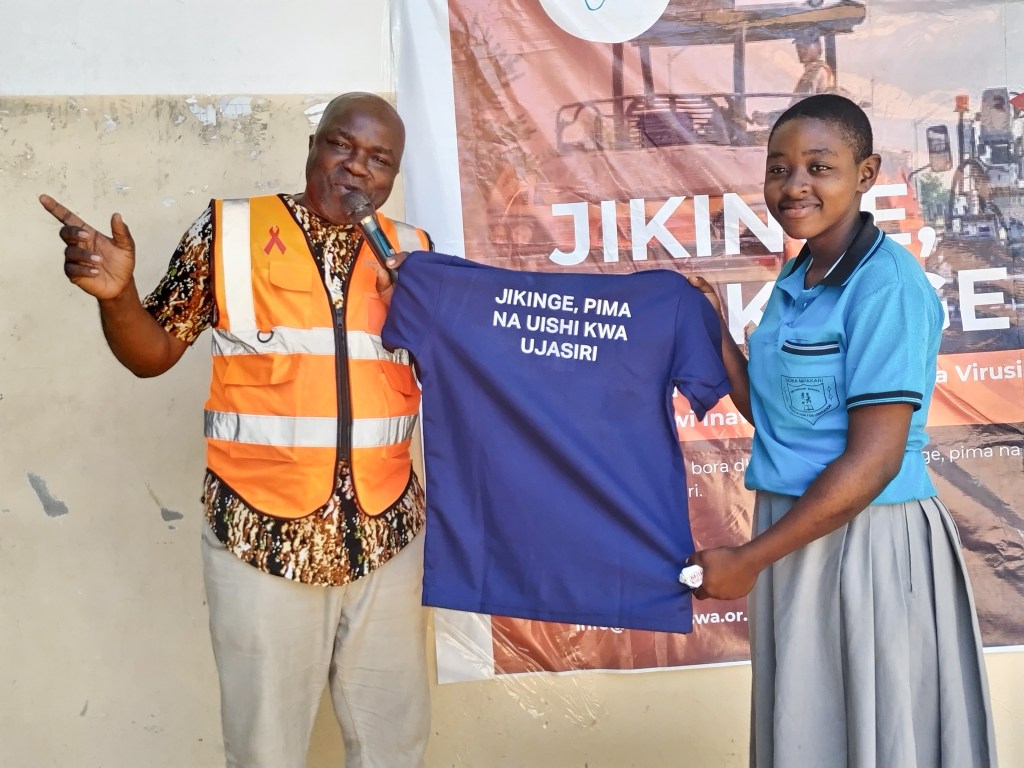
We implement targeted awareness, prevention, and testing interventions to reduce the risk of HIV and other sexually transmitted infections among workers and surrounding communities, while promoting stigma-free access to services.
Occupational Health and Safety (OHS)
We support contractors and workers to improve workplace safety through training, hazard awareness, and proper use of personal protective equipment, helping to prevent injuries, accidents, and work-related illnesses.
Gender and Vulnerable Group Inclusion
We ensure women, youth, children, and other vulnerable groups are meaningfully included in project interventions, addressing their specific risks and promoting safety, dignity, and equal participation.
Community Health and Safety
We work to minimize health and safety risks affecting communities living near construction and extractive project sites by promoting safe behaviors, awareness, and preventive measures that protect lives and livelihoods.
Stakeholder Engagement and Awareness
We engage contractors, local authorities, community leaders, and residents through continuous awareness and dialogue to build trust, encourage collaboration, and support sustainable project implementation.
KEY AREAS OF INTERVENTION
COMHESWA implements integrated health, safety, and social risk mitigation interventions to protect workers, communities, and vulnerable groups within construction and extractive industry projects.
Road Safety Awareness and Training
COMHESWA implements targeted road safety programs for both workers and surrounding communities. Our core activities include:
- Road safety training for contractors, staff, and laborers
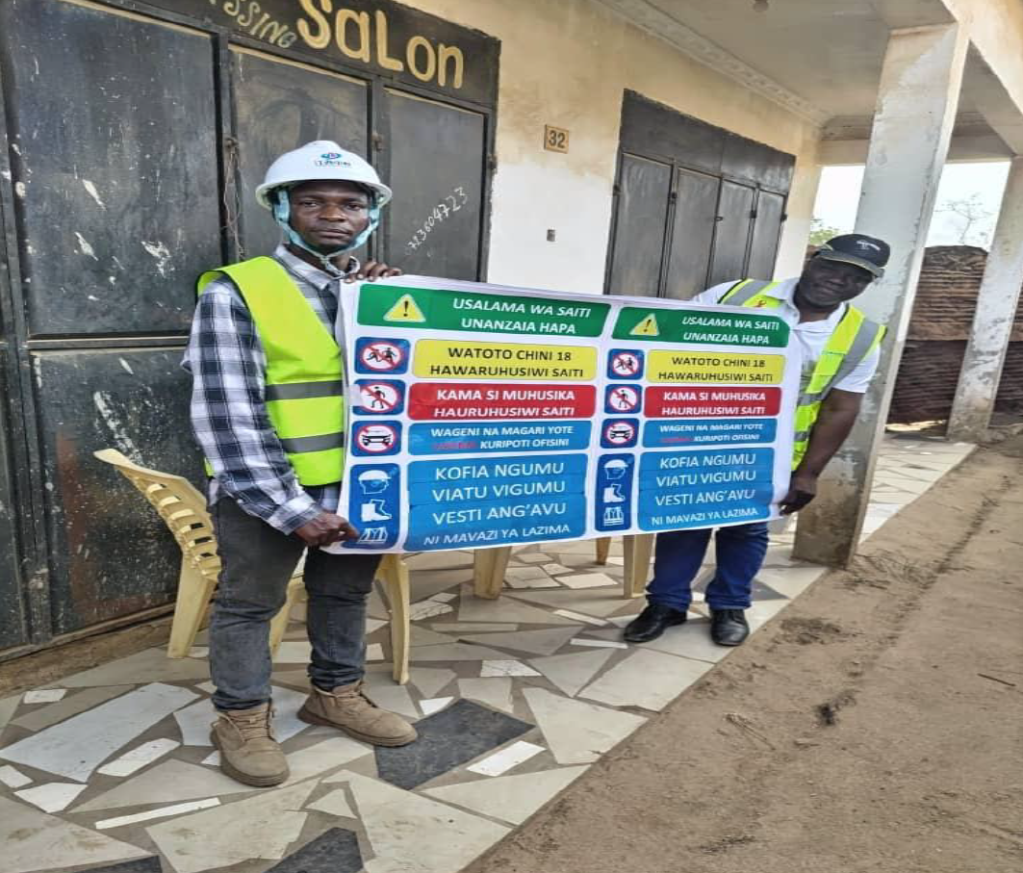
- Community awareness sessions for high-risk groups such as bar workers, food vendors, boda boda and bajaj drivers
- Identification and mapping of road safety risk zones
- Production and dissemination of road safety signage, posters, banners, and IEC materials
- Induction training on Personal Protective Equipment (PPE)
During the Upgrading of Goba Wakorea and Hondogo Shija (11.92 km) Road to Bitumen Standard, COMHESWA successfully trained 42 bar workers, the majority being women, recognizing their strategic role in influencing road user behavior, particularly related to alcohol consumption and night-time road safety.

HIV/AIDS Awareness, Prevention, and Training
COMHESWA designs and implements comprehensive HIV/AIDS programs tailored to construction environments. Key components are:
- HIV/AIDS and STI education sessions
- Condom use demonstrations and free distribution
- Voluntary HIV counseling and testing (VCT)
- HIV self-test kit demonstrations and distribution
- Referral and linkage to long-term HIV care and treatment services
- Anti-stigma and discrimination awareness
Studies indicate HIV prevalence among construction workers can be significantly higher than national averages, making targeted interventions essential for safeguarding both workers and host communities.
Occupational Health and Safety (OHS) Support
COMHESWA supports contractors by strengthening safety culture on site. OHS interventions include:
- Induction and refresher safety training
- PPE awareness and proper usage demonstrations
- Hazard identification and risk assessment
- Worker sensitization on safe work practices
- Collaboration with safety officers and site supervisors
These efforts contribute to reducing workplace injuries, improving compliance, and enhancing overall project efficiency.

Identification and Protection of Vulnerable Groups
COMHESWA conducts rapid social assessments to identify groups most at risk during construction activities. Commonly identified groups include:
- Project staff and laborers
- School children and youth
- Food vendors (Mama Lishe)
- Boda boda and bajaj drivers
- Bar workers and customers
- Women and households living along construction corridors
Tailored interventions ensure no group is left behind during development.
COMHESWA works closely with:
1
Construction contractors (e.g., Zhongmei Engineering Group Limited)
We partner with contractors to integrate community health, safety, and social risk interventions directly into project implementation and site operations.
2
Engineering consultants
We work with engineering consultants to align health and safety interventions with technical designs, risk assessments, and compliance requirements.
3
Municipal and local government authorities
We collaborate with local authorities to ensure interventions comply with regulations, support public health priorities, and strengthen local ownership.
4
Community leaders and institutions
We engage community leaders and institutions to mobilize communities, build trust, and ensure interventions are culturally appropriate and locally accepted.
DID YOU KNOW ICOMBEGHU?
Integrated Community-Based Entrepreneurs Grooming Hub
A COMHESWA Model for Economic and Social Development in Rural and Peri-Urban Communities
 COMHESWA